
Top 10 Packing Hacks for a Stress-Free Move
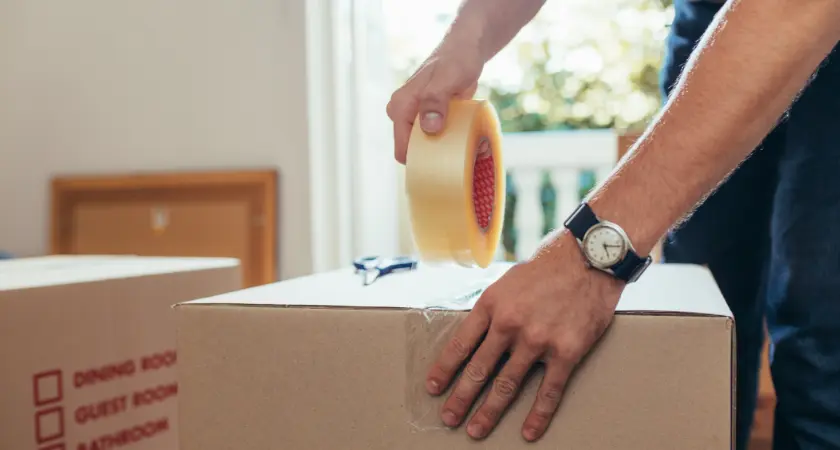
Moving doesn’t have to be chaotic. With smart packing, you can stay organized, protect your belongings, and make moving day less stressful.
This guide offers simple, proven methods to keep items intact, save time, and sidestep common moving mistakes. Whether moving locally or far, these tactics help streamline your process.
You’ll learn:
- How to reduce your overall moving load
- How to pack boxes efficiently to prevent damage
- How to organize your items for a seamless unpacking process
1. Purge Before You Pack
Don’t pay to move items you don’t want. Before packing, declutter your home. This is essential for homes with packed garages, sheds, or attics.
Sort your belongings into three categories:
- Keep
- Donate or sell
- Throw away
Discard broken tools, expired paint, and scrap you won’t use.
We know — it’s tough.
Host a garage sale to offload old furniture and hardware. A lighter load means fewer boxes, fewer trips, and lower costs.
2. Create a Moving Essentials Box
The first night in your new home, you don’t want to dig through dozens of taped boxes just to find a toothbrush or a screwdriver. Pack a clear plastic bin with everything you need for the first 24 hours.
Include these items in your essentials box:
- Toiletries and toilet paper
- Medications and a first-aid kit
- Phone chargers and basic electronics
- A utility knife, a multi-tool, and a flashlight
- Paper towels and multi-purpose cleaner
- One change of clothes per family member
Keep this bin in your car rather than the moving truck. You’ll have immediate access to your daily necessities as soon as you arrive.
3. Use Your Clothes as Packing Material
Bubble wrap and packing peanuts are expensive. Instead, use items you already have to move. Towels, blankets, and soft clothing provide excellent padding for fragile items.
- Wrap dishes and plates in thick bath towels
- Stuff clean socks inside drinking glasses to prevent shattering
- Cushion power tools and heavy hardware with old sweatshirts
This technique combines your linens and clothes with kitchenware, maximizing the space in your box.
4. Color-Code Your Boxes
Labeling a box ‘Kitchen’ helps, but finding it in a pile takes time. Color-coding speeds up sorting. Assign a color to each room in your new home.
- Blue for the master bedroom
- Red for the kitchen
- Green for the garage and workshop
- Yellow for the living room
Buy rolls of colored duct tape or bright sticker labels. Mark the corresponding color on the boxes. When you unload the truck, you and your helpers will know exactly where each box goes without having to read a single word.
5. Leave Clothes on Their Hangers
Taking clothes off hangers, folding them into boxes, and rehanging them later is a massive waste of time. Keep your clothes exactly as they are.
Group five to ten hanging garments together. Pull a large clean trash bag over the clothes from the bottom up. Tie the drawstrings tightly around the top of the hangers. This creates a protective garment bag. When you arrive at your new house, hang the bundle in the closet and rip off the trash bag.
6. Take Photos of Electronics Setup
Wiring televisions, sound systems, and desktop computers is frustrating. You may not know which cable goes into which port. Don’t rely on your memory.
Before you unplug anything, grab your phone and take clear photos of the back of your devices. Make sure the connections are visible. Wrap the cables together with a zip tie and pack them in the same box as the device. When you set up your electronics in the new living room, simply look at the photo and plug everything back in perfectly.
7. Pack Heavy Items in Small Boxes
A common mistake is filling large boxes with heavy objects. Heavy boxes are hard to lift and can break.
Follow this rule: the heavier the item, the smaller the box.
- Pack books, hand tools, and canned food in small boxes
- Pack pillows, bedding, and lampshades in extra-large boxes
This keeps boxes manageable, protects your back, and prevents heavy items from crushing lighter ones in transit.
8. Use Plastic Wrap to Prevent Spills
Liquid spills ruin boxes and damage items. Shampoos, cleaners, and oils often leak during a move.
Remove the cap of each liquid bottle. Place plastic wrap over the opening, then tightly replace the cap. This watertight seal prevents leaks, even if bottles get crushed or turned upside down.
9. Cut Handles into Cardboard Boxes
Standard cardboard boxes are cumbersome to carry because they lack grip points.
Use a box cutter to slice small triangle or rectangular shapes along the two opposite sides of the box. Push the cardboard inward. You now have custom handles. This simple hack gives you a firm grip, making it much easier to carry boxes up and down stairs.
10. Label the Sides, Not the Tops
Most people label box tops. Once boxes are stacked, those labels disappear.
Always label the sides of your boxes. Write the contents clearly on at least two sides with a thick permanent marker. You’ll be able to identify every box in a stack instantly. This saves you from having to move heavy boxes just to read what is underneath.
FAQs: Moving Hacks
How early should I start packing to move?
Start packing four to six weeks before your move date. Begin with items you use rarely, such as holiday decorations, seasonal clothing, and specialized garage tools. Leave daily essentials for the final week.
Where can I get free moving boxes?
Check local grocery stores, liquor stores, and big-box retailers. Hardware stores often have sturdy boxes used for heavy inventory. You can also check neighborhood apps and community forums for people giving away boxes after a recent move.
What items should I not put in a moving truck?
Never pack flammable, explosive, or corrosive materials in a moving truck. This includes propane tanks, gasoline, paint thinner, pool chemicals, and car batteries. Transport highly valuable items, such as jewelry and important documents, in your personal vehicle.
How do I pack fragile items securely?
Wrap fragile items individually using packing paper, bubble wrap, or thick clothing. Line the bottom of the box with crumpled paper to absorb shocks. Fill all empty gaps in the box so items cannot shift during transport.
Should I hire professional packers?
Hire professional packers if you have a high budget, limited time, or physical limitations. They supply all materials and pack quickly. If you’re on a tight budget or prefer handling your personal items and tools yourself, pack them yourself.
How do I move plants safely?
Transfer plants to shatterproof plastic pots a few weeks before moving. On moving day, place the pots in sturdy open boxes. Pad the spaces between pots with newspaper to prevent them from tipping over. Move plants in the climate-controlled cabin of your car, not the back of a moving truck.
What is the best way to pack heavy tools?
Remove batteries and blades from power tools before packing. Wrap each tool in a rag or towel. Pack heavy tools in small, heavy-duty boxes or sturdy plastic totes. Keep original tool cases if you have them, as they offer the best protection.
How can I keep my hardware organized?
Place screws, nails, brackets, and small hardware into clear plastic sandwich bags. Label the bag with a permanent marker, noting exactly which piece of furniture or equipment the hardware belongs to. Tape the bag directly to the furniture piece so it never gets lost.
More Moving Tips
0 Comments