
How to Ship Your Car During a Long-Distance Move
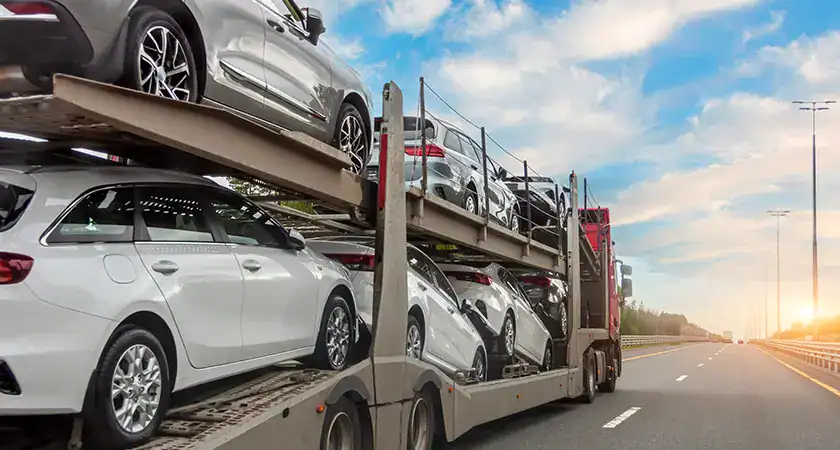
Moving across the country is stressful enough without a long drive added to the list. Shipping your car can save time, reduce wear and tear, and make your move much easier — especially for families, multi-car households, or anyone relocating long distance.
In this guide, we’ll cover how car shipping works, what it costs, how to prepare your vehicle, and what to know before booking.
Driving your car across the country may seem like the budget-friendly approach. But once you add up all the costs, shipping makes a lot of sense.
- You avoid putting hundreds or thousands of extra miles on your car.
- You reduce wear on your tires, brakes, engine, and transmission.
- You save on gas, hotel stays, food, and road tolls.
- You eliminate the risk of breakdowns or road accidents during a long trip.
- You free up time to focus on the rest of your move.
- You make the move easier if you have multiple cars or a tight schedule.
The biggest value is convenience. You can fly to your new home and have your vehicle delivered to a location near your destination.
How car shipping works
1. Request quotes
Start by comparing prices from several auto transport companies or brokers.
Most companies ask for:
- Your pickup and delivery ZIP codes
- Vehicle make and model
- Preferred shipping dates
- Whether the car runs
- Type of transport you want
2. Choose a carrier or broker
- A broker connects you with a transport carrier.
- A carrier owns the truck that moves your car.
- Either option can work well, but make sure the company is licensed and insured.
3. Book your shipment
- Once you accept a quote, you’ll schedule pickup.
- Some companies offer door-to-door service.
- Some moving companies, such as Walsh Moving, can ship automobiles as part of the trailer load.
- In some areas, large transport trucks can’t access narrow streets, gated neighborhoods, or low-clearance roads. In those cases, you may meet the driver at a nearby parking lot or open area.
4. Prepare the car
- Clean the vehicle
- Remove personal items
- Check for leaks and mechanical issues
- Take photos before pickup
5. Pickup and inspection
- The driver inspects the vehicle and notes its condition on a bill of lading.
- This records any scratches, dents, or damage before transit.
6. Delivery and final inspection
- When the car arrives, inspect it carefully before signing off.
- Compare the vehicle’s condition to your pre-shipping photos and the pickup report.
Types of car shipping services
The right shipping service depends on your budget, vehicle type, and timeline.
Open transport
This is the most common and affordable option.
- Your car rides on an open trailer with other vehicles.
- It’s widely available on most routes.
- It costs less than enclosed transport.
- Your car is exposed to weather, dust, and road debris.
Enclosed transport
This offers more protection.
- Your car ships inside a covered trailer.
- It protects against rain, debris, and outside exposure.
- It costs more than open transport.
This option is often best for:
- Luxury vehicles
- Classic cars
- Exotic cars
- Custom or restored vehicles
Door-to-door shipping
- The carrier picks up and delivers your car as close to your address as possible.
- It’s the easiest option for most movers.
- Access limits may require a nearby meeting point.
Terminal-to-terminal shipping
- You drop off and pick up your car at set locations.
- It can cost less in some cases.
- It adds more work and may be less convenient during a move.
How much does it cost to ship a car?
Car shipping costs vary. There is no one flat rate.
What affects the price
- Distance of the move
- Vehicle size and weight
- Open vs. enclosed transport
- Pickup and delivery locations
- Fuel prices
- Seasonal demand
- Vehicle condition
- Speed of delivery
Typical price ranges
Rates change often, but these rough ranges can help with planning:
- Shorter interstate move: a few hundred dollars to around $1,000
- Cross-country move: often $1,000 to $2,000 or more
- Enclosed shipping: usually costs significantly more than open transport
If a quote looks much lower than the others, be careful. A very low price may mean hidden fees, weak service, or delays in finding a carrier.
How to choose a reliable car shipping company
A reliable company can make the process smooth. A weak one can create stress in a hurry.
Look for these basics
- USDOT and FMCSA registration
- Active insurance coverage
- Clear pricing
- Good customer reviews
- Written terms and conditions
- Direct answers to your questions
Ask these questions before booking
- Are you a broker or a carrier?
- What does the quote include?
- Is the price guaranteed?
- What is your cancellation policy?
- How much insurance coverage is included?
- What happens if there’s a delay?
- How do you handle damage claims?
Red flags
- Large upfront cash deposits
- No proof of licensing or insurance
- Vague answers about timing or fees
- Pressure to book right away
- Poor communication
- Reviews that mention surprise charges or missed pickup windows
How to prepare your car for shipping
A little prep can prevent delays and reduce the chance of problems during transport.
Before pickup, do the following
- Wash your car so that damage is easy to spot
- Take clear photos from all sides
- Photograph the roof, hood, trunk, wheels, and interior if needed
- Remove personal belongings
- Remove toll tags and parking passes
- Remove or secure custom accessories
- Fold in mirrors if possible
- Disable alarms
- Leave only about a quarter tank of gas
- Check tire pressure
- Make sure the battery is charged
- Check for fluid leaks
- Confirm the car starts and moves unless you booked non-running transport
Why removing personal items matters
Most car carriers don’t allow household goods inside the vehicle. Even if a company allows a small amount of weight, it can still create issues.
- Items can shift and damage the interior
- Extra weight can affect transport costs
- Personal items are often not covered by carrier insurance
- Carriers may refuse pickup if the vehicle is overloaded
Timing tips for a smoother move
Best timing practices
- Book 2 to 4 weeks in advance when possible
- Book earlier during the summer and holiday periods
- Stay flexible with pickup and delivery dates if you want better pricing
- Avoid waiting until the last minute unless you are ready to pay more
Understand the delivery window
Car shipping works on estimated windows, not exact appointment times.
- The weather can affect routes
- Traffic and road closures can cause delays
- Multi-car loads may shift timing
- Mechanical issues with the truck can happen
A good company will communicate clearly if timing changes.
Insurance and inspection: don’t skip this step
Insurance is one of the most overlooked parts of car shipping.
Before shipment
- Ask for proof of cargo insurance
- Confirm coverage limits
- Ask what types of damage are excluded
- Check whether your own auto policy offers any extra protection
At pickup and delivery
- Review the bill of lading carefully
- Make sure existing damage is recorded
- Inspect the car in good lighting at delivery
- Note any new damage before signing the final paperwork
If you spot damage after delivery and sign without noting it, filing a claim may be much harder.
Common mistakes to avoid
Many moving problems come from small oversights. Avoid these common errors:
- Choosing the cheapest quote without checking reviews
- Booking too late
- Forgetting to ask about insurance
- Leaving valuables in the car
- Skipping vehicle photos
- Not reading the transport agreement
- Assuming pickup and delivery times are exact
- Failing to inspect the vehicle at delivery
FAQs: Shipping a Car Long Distance
Q: How far in advance should I book car shipping?
Try to book at least 2 to 4 weeks ahead. If you’re moving during peak season, book even earlier for better pricing and more availability.
Q: Is it cheaper to drive my car or ship it?
It depends on distance, fuel costs, hotels, meals, and vehicle wear and tear. For long routes, shipping is often more practical and sometimes cheaper than people expect.
Q: Can I put personal items in my car during shipping?
Usually, no. Many carriers restrict personal belongings, and those items are often not covered by insurance.
Q: What is the difference between open and enclosed transport?
Open transport is cheaper and more common. Enclosed transport offers more protection and is best for high-value or classic vehicles.
Q: How long does car shipping take?
Timing depends on distance, route, weather, and scheduling. Shorter routes may take a few days. Cross-country shipments often take one to two weeks.
Q: Do I need insurance to ship my car?
The carrier should have cargo insurance. You should still verify the coverage and check your own auto policy for added protection.
Q: What if my car isn’t running?
Many companies can ship non-running vehicles. Be sure to mention this when requesting a quote, as it may affect the price and equipment requirements.
8. What should I do if my car arrives damaged?
- Note the damage on the bill of lading before signing.
- Take photos right away.
- Contact the shipping company immediately to start the claims process.
More Moving Tips
0 Comments