
How to Prepare Your Home for a Temporary Work Relocation
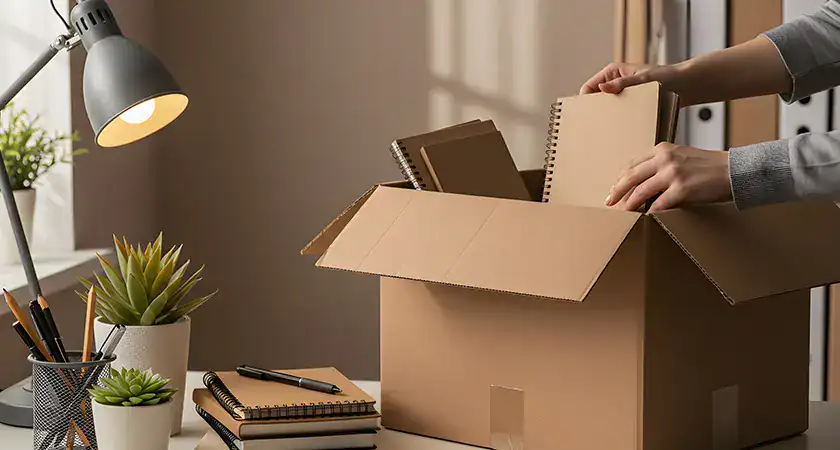
To prepare for a temporary work move, make sure your home is safe by turning off the main water supply, setting your smart thermostat to save energy, and arranging for someone to look after your property. Pack only the essentials and consider using local furniture rental options at your temporary destination.
Preparing Your Home for an Extended Work Assignment
You’ve just accepted a six-month work assignment in another city, and the family is coming with you! While this is a great opportunity to advance your career, leaving your Southern California home empty presents a few challenges. Planning ahead can help you avoid security concerns, high utility bills, and plumbing problems.
Some preparation before you leave can help protect your home, reduce utility costs, and prevent unexpected problems. Taking care of a few maintenance tasks now can save you time, money, and stress later.
This guide shares practical tips for keeping your home safe, finding local help, and packing efficiently. You’ll learn how to prepare your appliances, save energy, and manage your temporary relocation with confidence.
What to Do with Your Home During a Temporary Relocation
Temporary work assignments often last anywhere from three to twelve months. While you’re away, your home could experience issues ranging from appliance failures to storm damage.
If you’ll be gone for less than six months, it is often simplest to leave your home vacant while taking precautions to protect it. For longer assignments, renting out your property may help offset expenses. Regardless of your plans, preparing your home properly is essential.
Optimize Energy Efficiency While Your House Is Empty
Leaving your air conditioning on to the temperature you usually set it to isn’t necessary; it wastes energy and increases your utility bills. However, turning off your HVAC system completely may leave hardwood floors, electronics, and other belongings vulnerable to excessive heat during Southern California heat waves.
Using a programmable thermostat can help lower your heating and cooling costs by using the “Vacation” or “Away” function.
Before you leave:
- Set your smart thermostat to approximately 85°F during the summer months. In winter, you can switch the system off or set it to its lowest setting (usually 55°F).
- Close blinds and curtains to block direct sunlight.
- Unplug electronics you won’t be using, such as televisions, gaming systems, and microwaves.
- Turn off unnecessary power strips.
- Walk through your home room by room to make sure you haven’t overlooked anything.
Keep Your Home Looking Occupied
An empty home can attract unwanted attention. A few simple steps can make your property appear occupied and well-maintained. Small efforts can help deter burglars and provide an extra layer of protection while you’re away.
- Arrange for regular landscaping service.
- Ask a trusted neighbor, friend, or family member to periodically check on the property to remove flyers and packages.
- Use smart LED bulbs or timers to create natural lighting patterns.
- Forward your mail to your temporary address through the postal service.
How to Handle Plumbing and Appliances
Water damage is one of the biggest risks for homeowners during an extended absence. Even a small leak can cause significant damage if it goes unnoticed for weeks or months.
Many plumbing professionals recommend shutting off your home’s main water supply before a long trip. This helps prevent major water damage from burst pipes, failed appliance hoses, ice makers, and water heaters.
Take Preventive Steps to Stop Plumbing Emergencies
Before you leave:
- Locate your home’s main water shut-off valve.
- Turn the valve clockwise to stop the water supply.
- Open the lowest faucet in your home to help drain remaining water from the pipes.
- Check for any visible leaks around sinks, toilets, and appliances.
Next, inspect your water heater.
- Set it to “vacation mode” if that setting is available.
- If vacation mode isn’t an option, lower the temperature setting significantly.
This simple adjustment can help reduce energy usage while you’re away.
Prepare Major Appliances for a Long Absence
Pay special attention to your refrigerator and washing machine to prevent mold, odors, and unnecessary wear and tear.
For the refrigerator:
Experts recommend turning off the refrigerator if you’ll be away for more than a month. However, leaving an empty, sealed refrigerator turned off is dangerous because trapped moisture will quickly lead to severe mold and an unbearable stench.
- Turn the temperature control off, unplug the unit, and empty all contents.
- If you can’t easily reach the plug and if the refrigerator is on a dedicated circuit breaker, turn it off.
- If applicable, empty the ice maker.
- Prop the doors wide open with a towel to allow air to circulate and prevent mildew and foul odors.
For the washing machine:
- Turn off the hot and cold water supply valves.
- Leave the washer door or lid open to allow moisture to evaporate.
- Unplug the machine if it won’t be used during your absence.
Extra Protection: Install a Water Leak Monitor
Water leak monitors provide an extra layer of protection by detecting leaks early and sending alerts directly to your phone. Installing a leak monitor is a relatively simple upgrade that can help prevent costly repairs and give you greater peace of mind while you’re away.
These devices work well in areas where leaks often go unnoticed, including:
- Under sinks
- Behind the refrigerator
- Near the washing machine
- Around the water heater
- Under bathroom vanities
Protect Your Property from Southern California Weather
Southern California may be known for sunshine, but heavy rain, windstorms, and seasonal weather events can still cause significant property damage.
Preparing your home’s exterior before you leave can help reduce potential problems. Preventive maintenance is often far less expensive than repairing damage after the fact.
Preparation Strategies for the Exterior of Your Home
- Clean your gutters yourself or hire a professional.
- Remove leaves and debris that could block drainage.
- Store lightweight patio furniture, umbrellas, and decorative items in a garage or shed.
- Secure potted plants and outdoor accessories.
- Inspect your roof for loose or damaged shingles.
- Ask an arborist about trimming large branches that hang over your roof or driveway.
Packing for a Short-Term Work Relocation
When relocating temporarily, focus on packing essentials rather than transporting your entire household.
What to Leave and What to Take
For assignments lasting only a few months, shipping furniture often costs more than it’s worth.
Instead:
- Rent a furnished apartment when possible.
- Consider local furniture rental services.
- Pack versatile clothing that can be mixed and matched. If you forget any essential items of clothing, you can buy them at your destination.
- Bring essential work equipment and important documents.
- If you’re flying, two checked bags and a carry-on are often enough for a temporary assignment.
How to Find a Reliable House Sitter
If you’re planning a temporary work relocation, hiring a house sitter can be one of the best ways to protect your Southern California home while you’re away. A trustworthy house sitter can collect mail, water plants, monitor the property, and respond quickly if something goes wrong.
When looking for a house sitter, start with people you trust. Friends, family members, neighbors, and coworkers may be able to recommend someone reliable. If you don’t have a personal referral, consider using a reputable house-sitting or pet-sitting platform that includes background checks, reviews, and references.
Before hiring someone:
- Interview candidates in person or by video call.
- Ask for references from previous homeowners.
- Verify that they understand basic household responsibilities.
- Discuss how frequently they will visit or stay at the property.
- Make sure they are comfortable handling minor emergencies.
Create a written checklist that includes:
- Emergency contact information.
- Utility company phone numbers.
- The location of the main water shut-off valve.
- Alarm system and smart-home instructions.
- Landscaping schedules.
- Appliance operating instructions.
- Your preferred communication schedule.
If possible, arrange a trial visit before your departure. This allows the house sitter to become familiar with your home and gives you and them an opportunity to ask and answer questions.
Next Steps Before Your Temporary Relocation Begins
Preparing your home and organizing your move takes time, so start early. Aim to complete maintenance tasks at least two weeks before departure.
Before you leave:
- Test your main water shut-off valve.
- Program your smart thermostat.
- Confirm landscaping services.
- Install or test leak monitors.
- Arrange to have your mail forwarded.
- Ask a trusted neighbor, family member, or house sitter to check on the property.
Once your home is secure, you can focus on settling into your temporary assignment instead of worrying about what might be happening back home. A few preventive steps today can save you time, money, and stress while you’re away.
FAQs: Preparing Your Home for Work Relocation
Q: How much does it cost to prepare a home for a temporary relocation?
Many preparation tasks, such as adjusting thermostats, shutting off water valves, and forwarding mail, cost little or nothing. Additional expenses may include landscaping services, leak monitors, or professional home services.
Q: What is the best way to handle mail during a short-term move?
The easiest option is to have your mail forwarded to your temporary address through the United States Postal Service. You can also ask a trusted neighbor or family member to collect mail regularly.
Q: Should I cancel my home internet service while I am away?
If you use smart home devices such as thermostats, security cameras, leak monitors, or smart lighting, keeping your internet service active is usually the best option. Consider downgrading to a lower-cost plan if available.
Q: How do I maintain my landscaping if I’m going to be gone during the summer?
A smart irrigation controller can automatically adjust watering schedules based on local weather conditions. This helps conserve water while keeping your landscaping healthy.
Q: What insurance coverage do I need for a vacant property?
Many homeowner insurance policies limit coverage when a property remains vacant for an extended period. Contact your insurance provider before leaving to discuss vacancy restrictions and any additional coverage that may be necessary.
Q: Who should have a spare key while I’m away?
Give a spare key to a trusted neighbor, family member, house sitter, or property manager. Avoid hiding keys outside. For added security, consider installing a smart lock that lets you program temporary access codes.
Q: Should I notify my home security company before a temporary relocation?
Yes. If you have a monitored security system, let your provider know you’ll be away for an extended period. Update your emergency contacts and provide the name and phone number of your house sitter, neighbor, or property manager if someone will be checking on the home. This can help avoid false alarms and ensure the right people are contacted if an issue occurs.
Q: How often should someone check on my home while I am away?
It’s a good idea to have someone visit your property at least once a week. During each visit, they should look for signs of water leaks, pest activity, storm damage, or attempted break-ins. Regular visits can also help keep your home looking occupied and may be required by some homeowner insurance policies if the property is vacant for an extended period.
More Moving Tips
0 Comments